
All of us here at Gather are travellers, and in this ongoing series we’ll discuss the design personalities of places we’ve loved exploring – and places we want to go.
I became enamored with the Japanese design aesthetic after visiting Tokyo just as the effusive cherry blossoms began to fall in April 2009. The fresh simplicity, attention to detail, and exquisite presentation of everything from furniture to apparel to the pastries I ate every morning inspired a new way of looking at design as a young architect: thoughtful and holistic, with a quiet, focused kind of curiosity. I’ve been hooked ever since.
NENDO
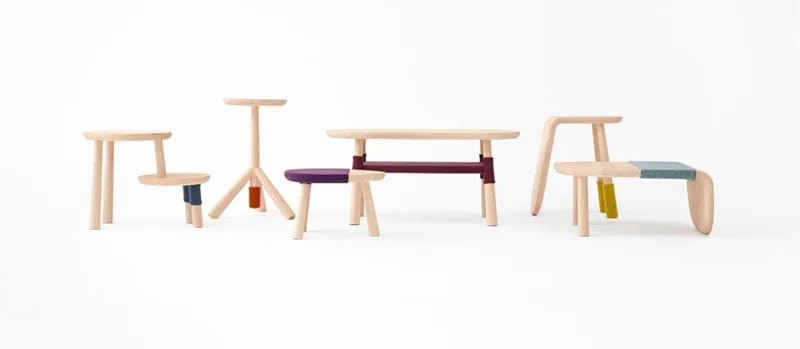
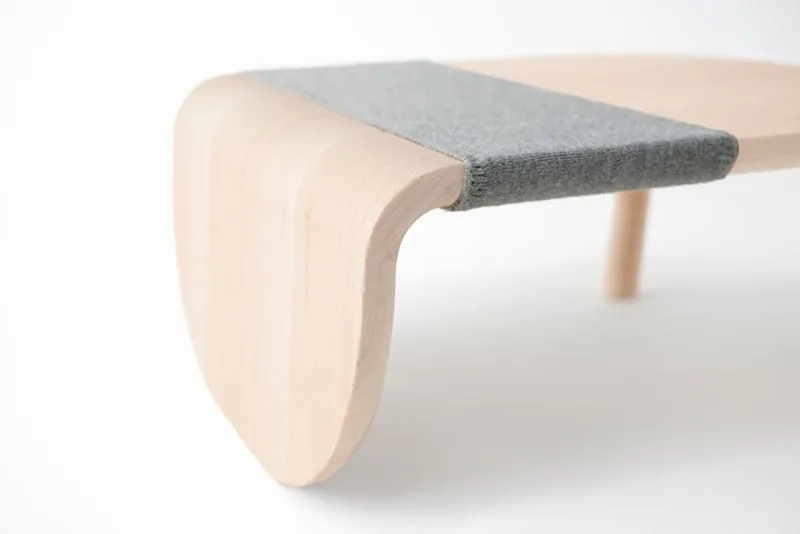
Oki Sato’s design firm nendo is everywhere it seems. Recently named Designer of the Year for the upcoming Paris trade fair Maison&Objet 2015, the company’s clean-lined aesthetic is punctuated by whimsical touches: a Winnie the Pooh-inspired table and chair collection designed for Walt Disney Japan includes knit “sweaters” for Eeyore-esque table legs; classic wooden Akimoku bend wood chairs are dipped in serene shades of blue and grey; and quartz table tops transform into floating lily pads in nendo’s collaboration with Caeserstone.
Images via Dezeen
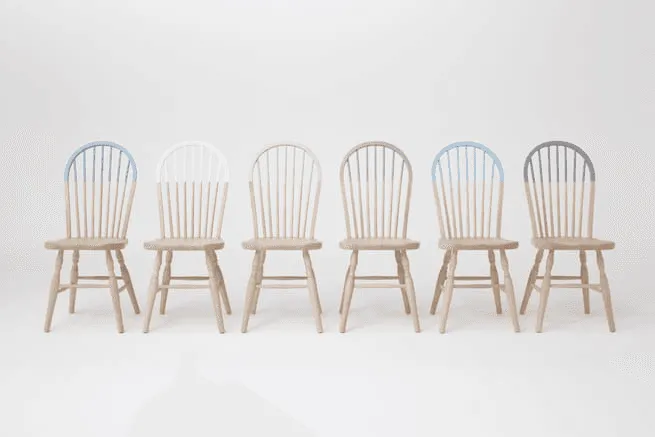
Image via Nendo
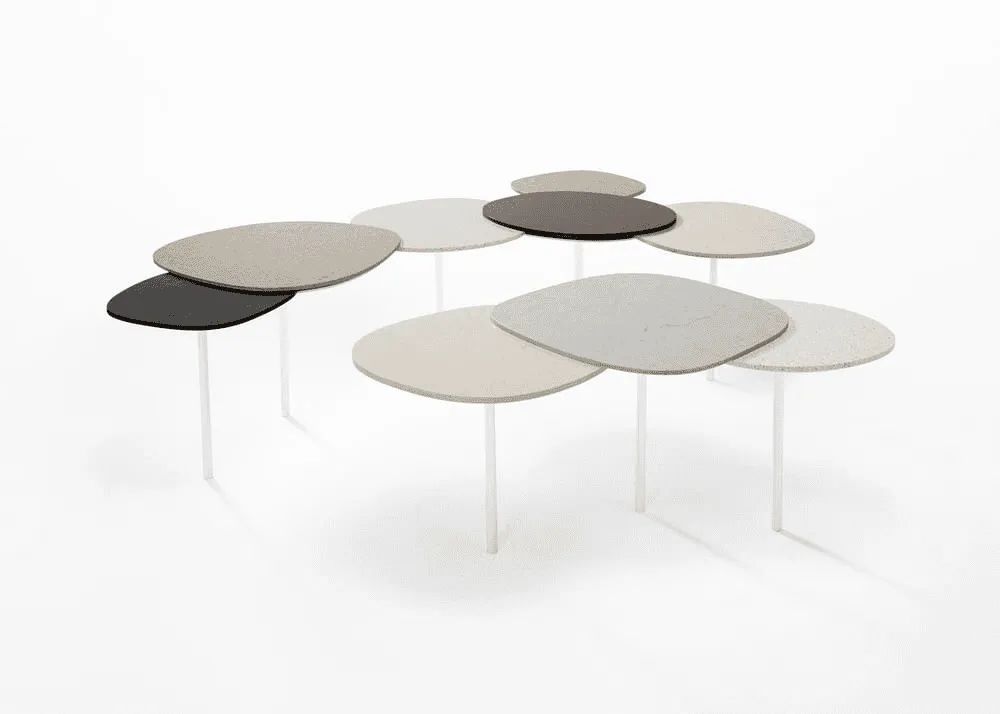
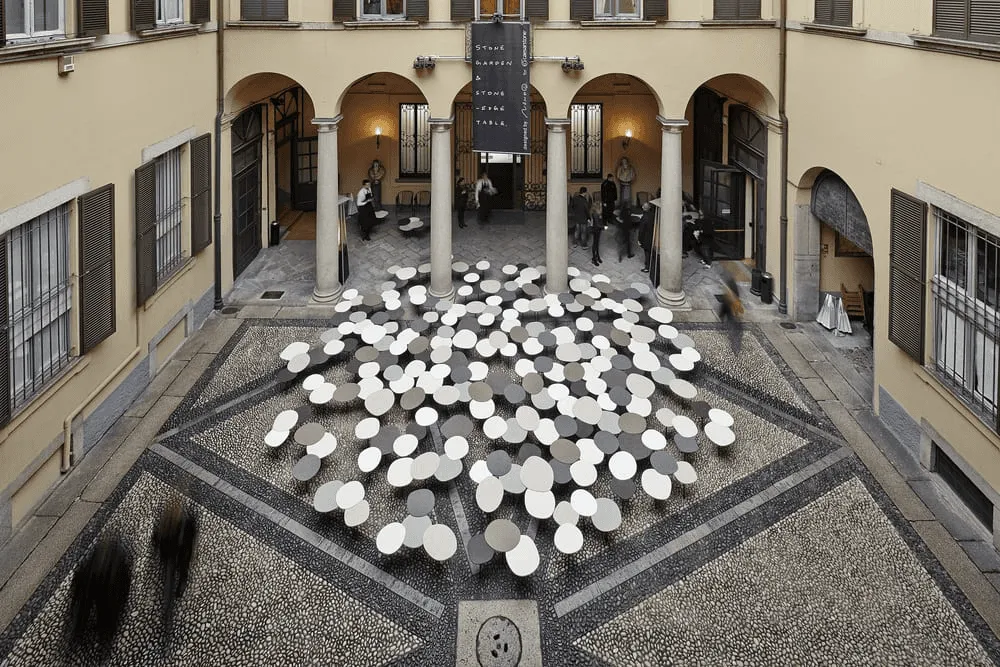
Images via Caesarstone
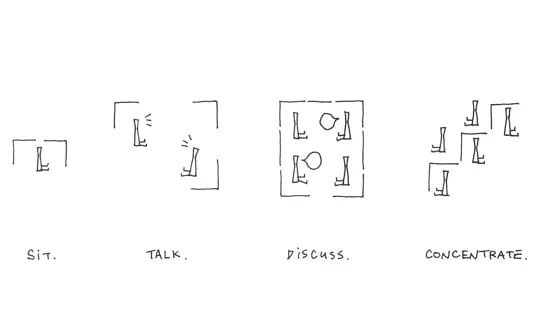
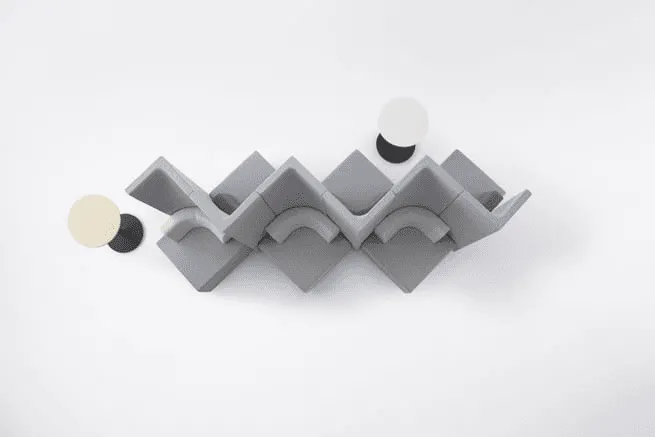
Images via Nendo
Mikiya Kobayashi
Elegant and refined, Mikiya Kobayashi’s work in many ways epitomizes the Japanese design world: natural materials beautifully crafted with gorgeous detailing, combined with clean fabrics and soothing colors.
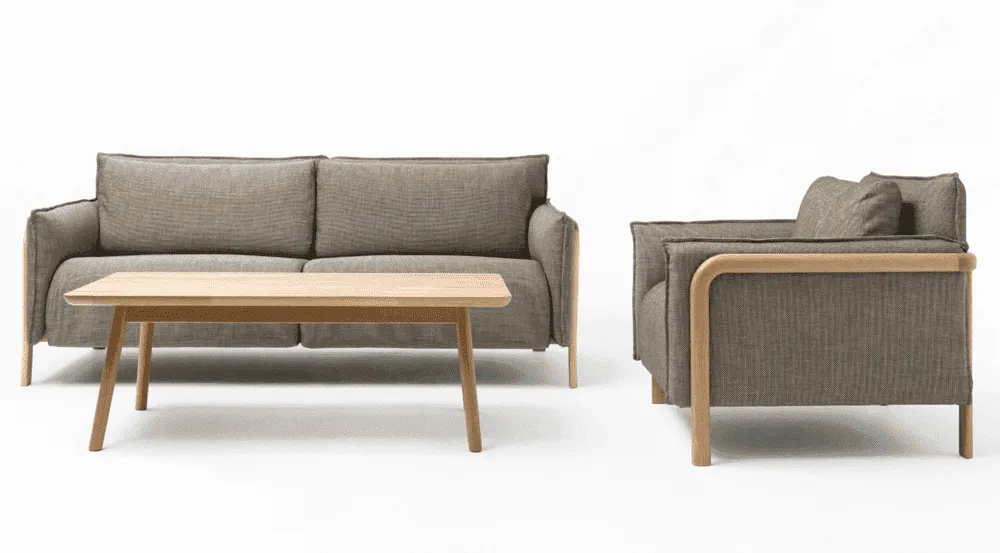
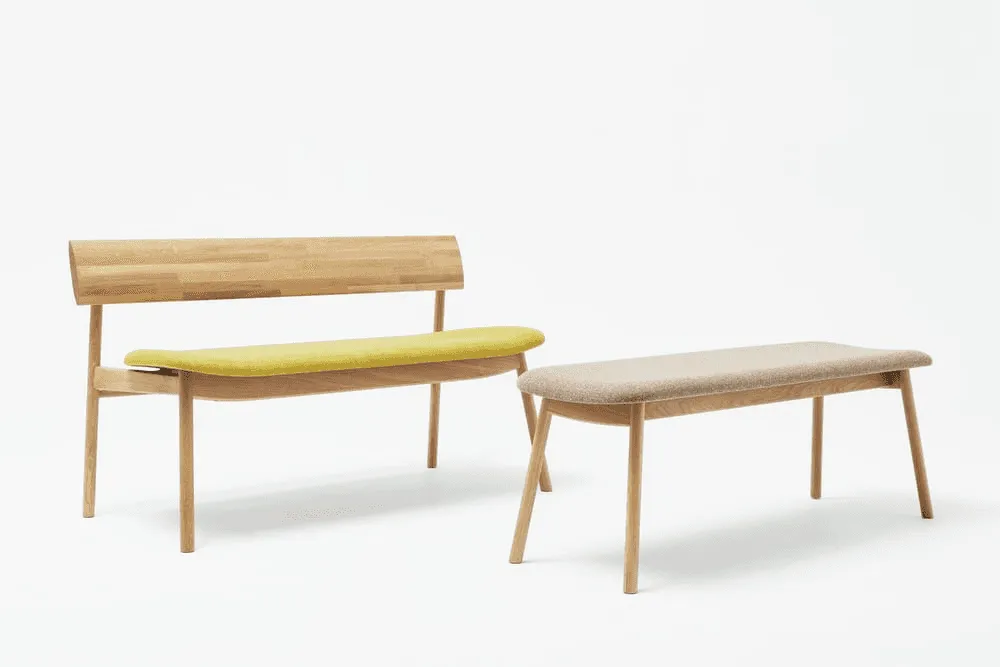
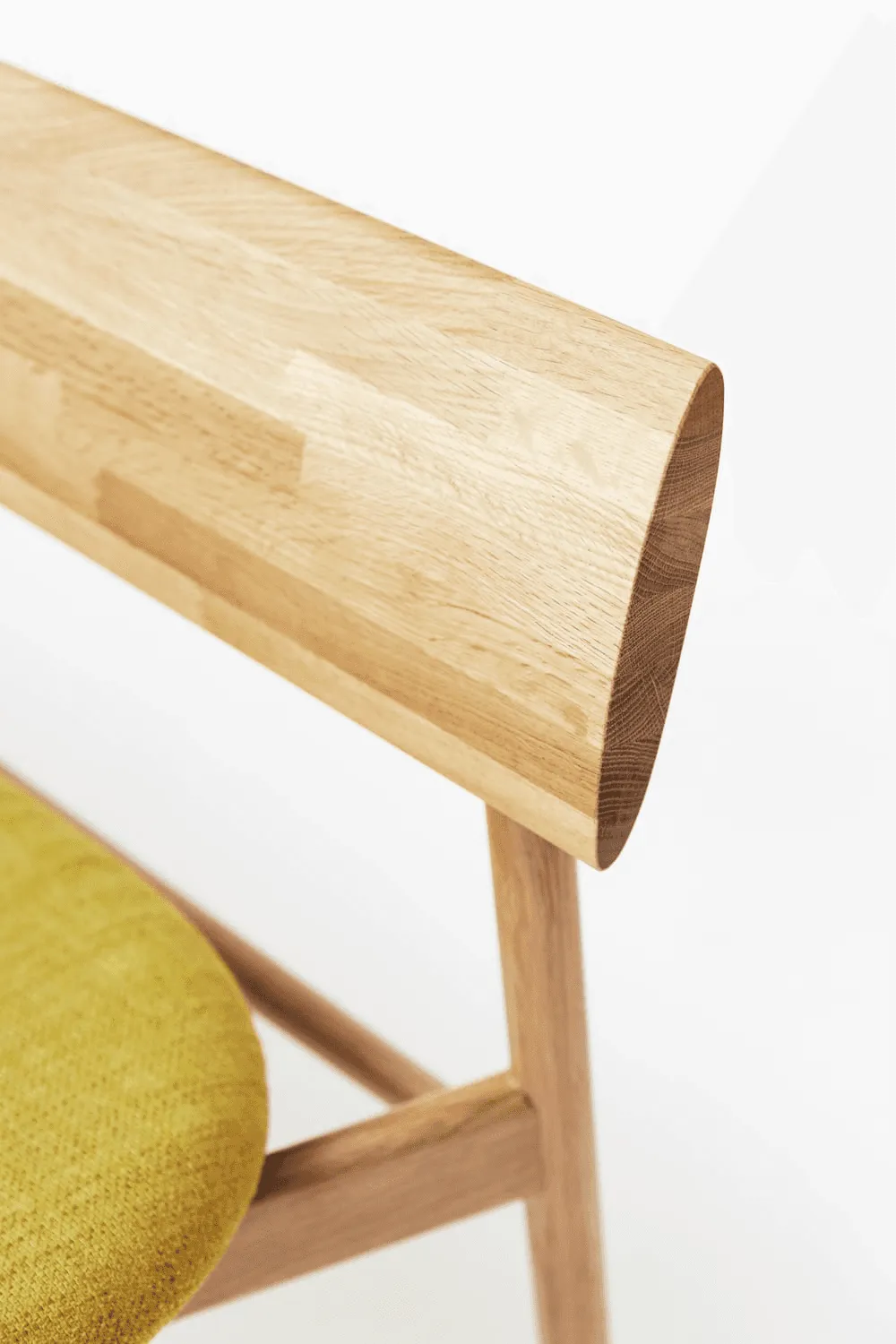
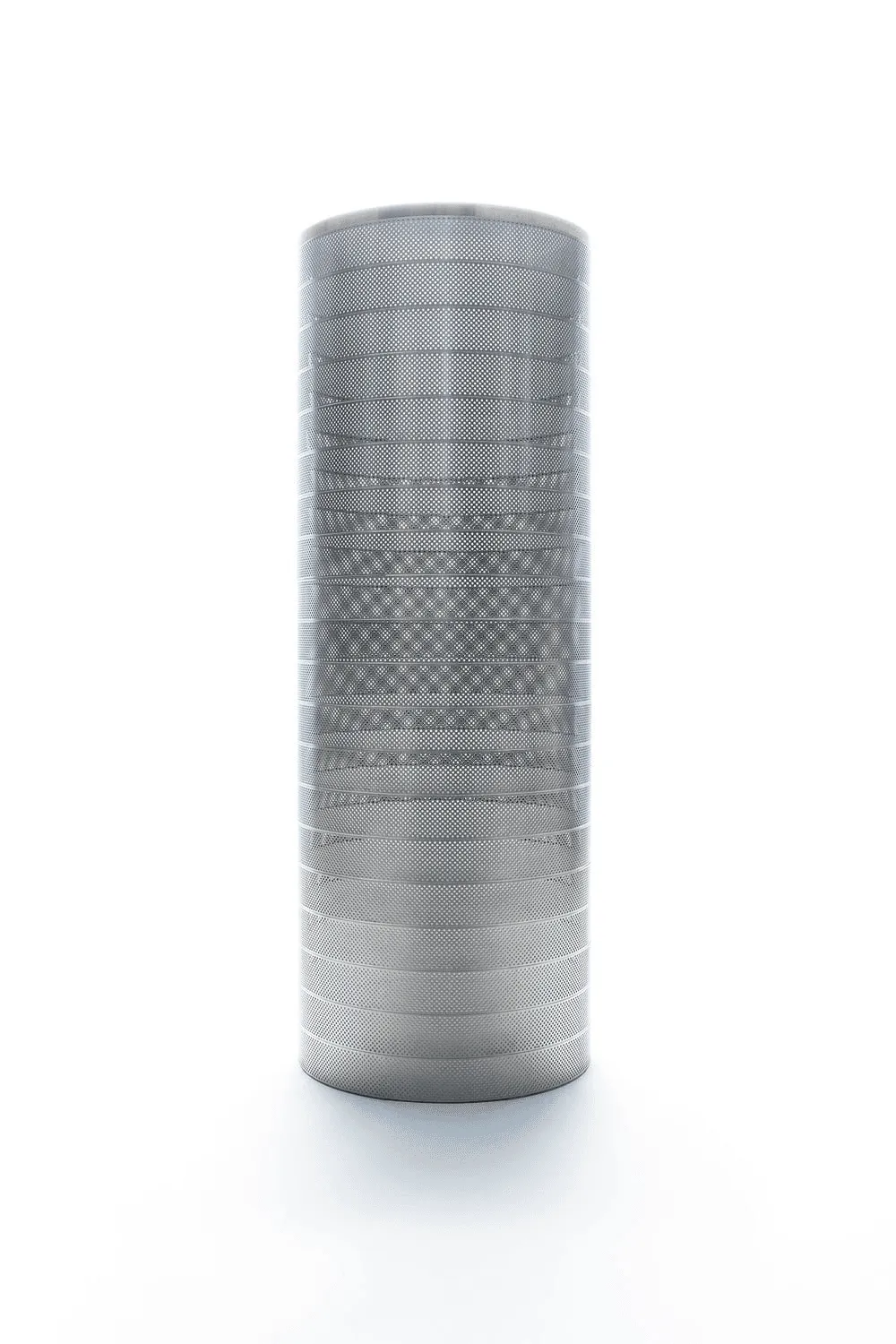
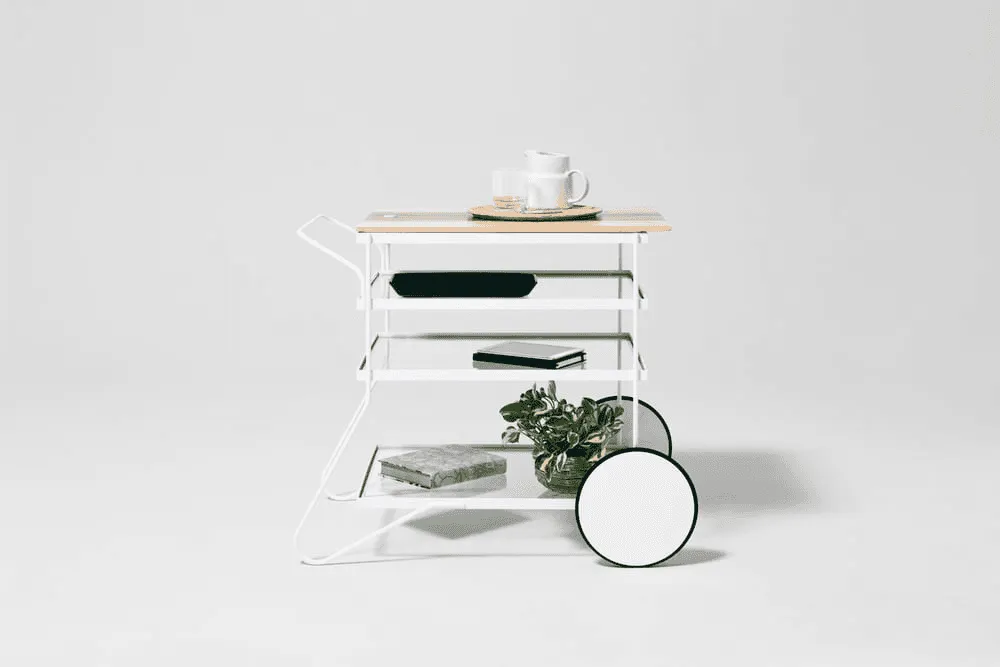
Images via Mikiya Kobayashi
Emmanuelle Moureaux
A French-born architect who started her Tokyo practice in 2003, Emmauelle Moureaux brings a welcome rush of color to the typically neutral palette of the Japanese aesthetic.
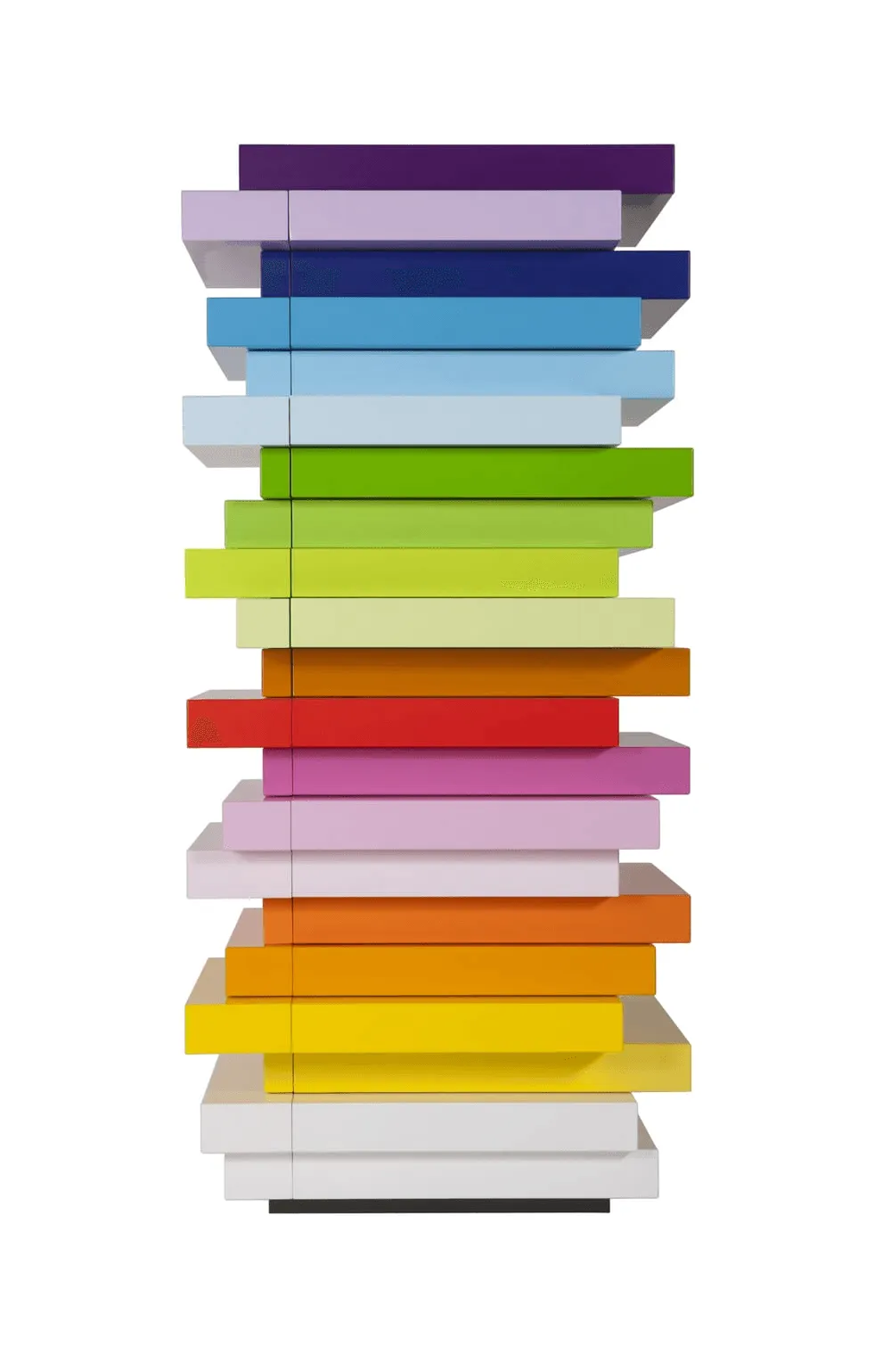
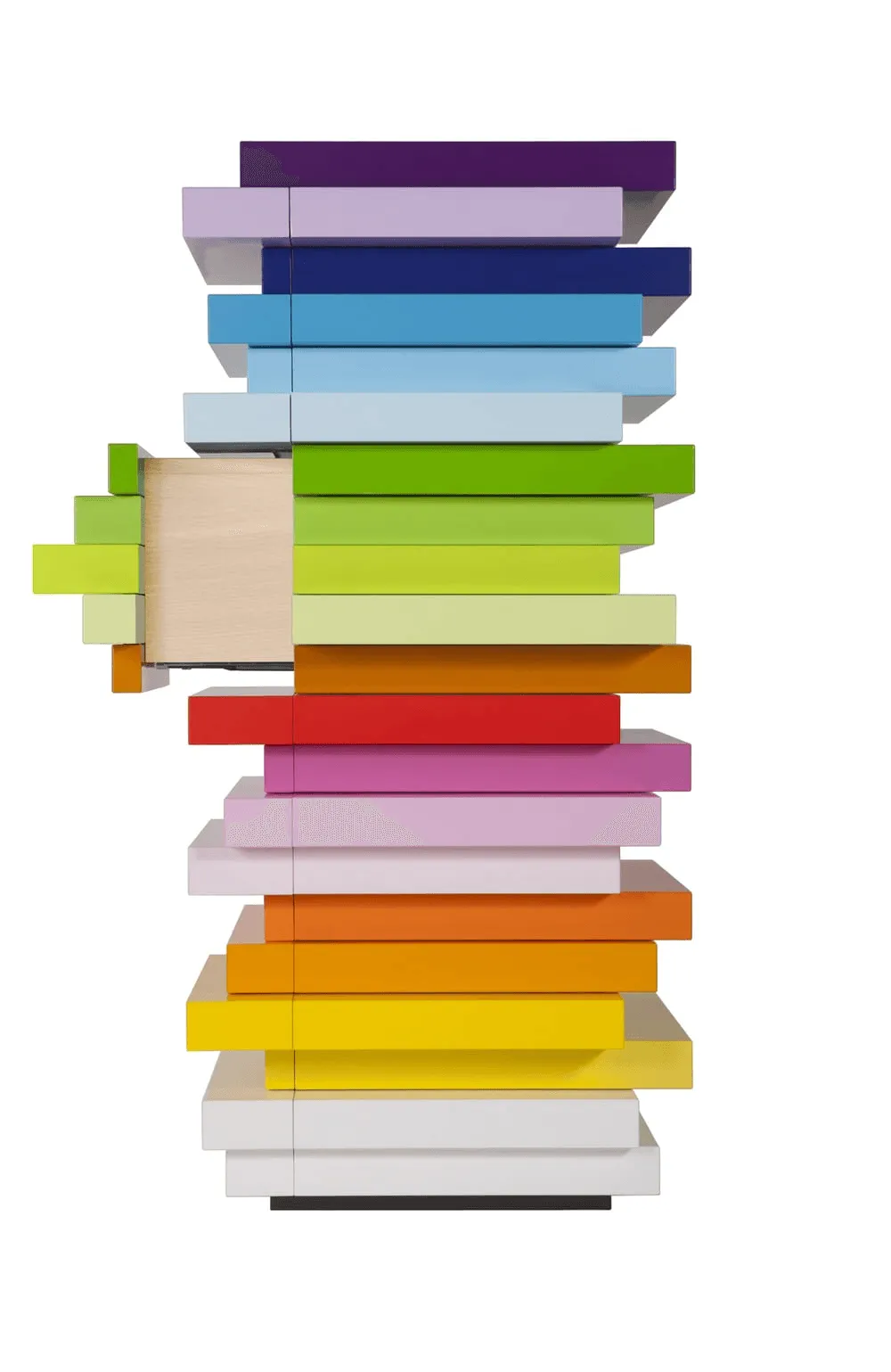
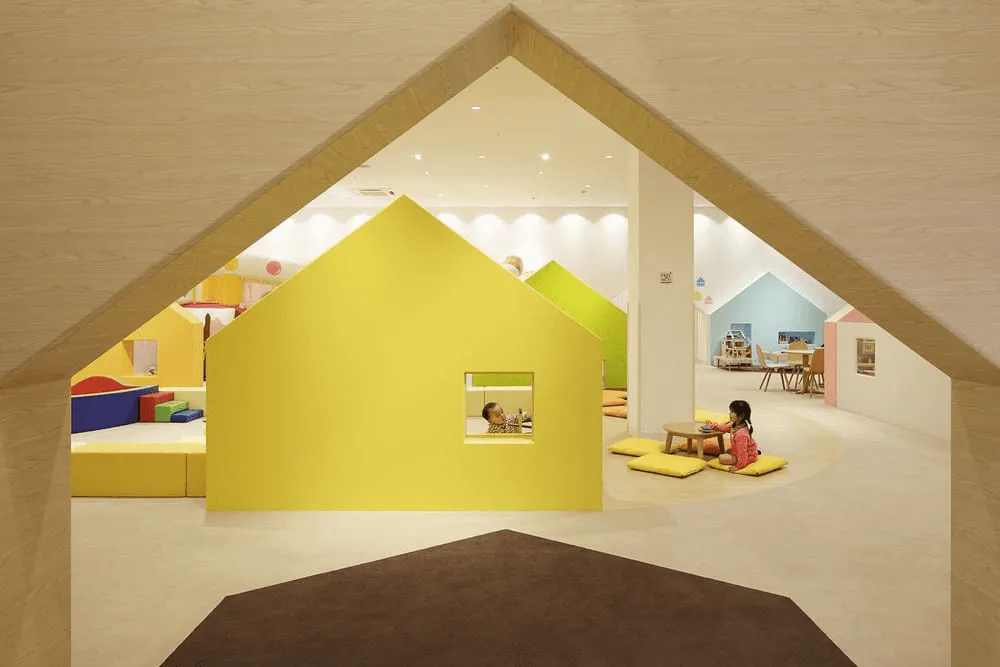
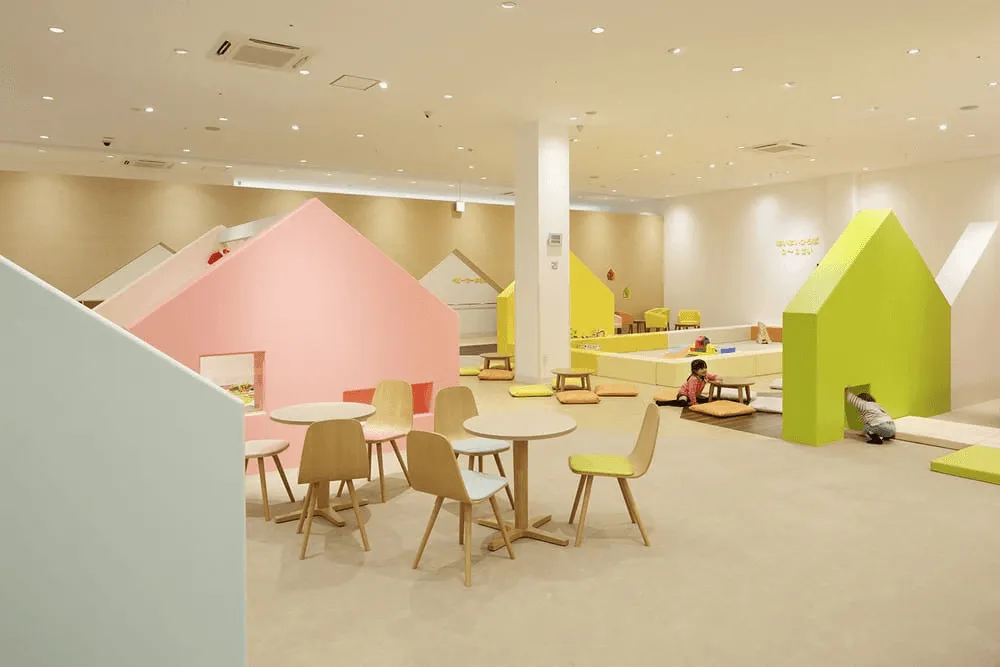
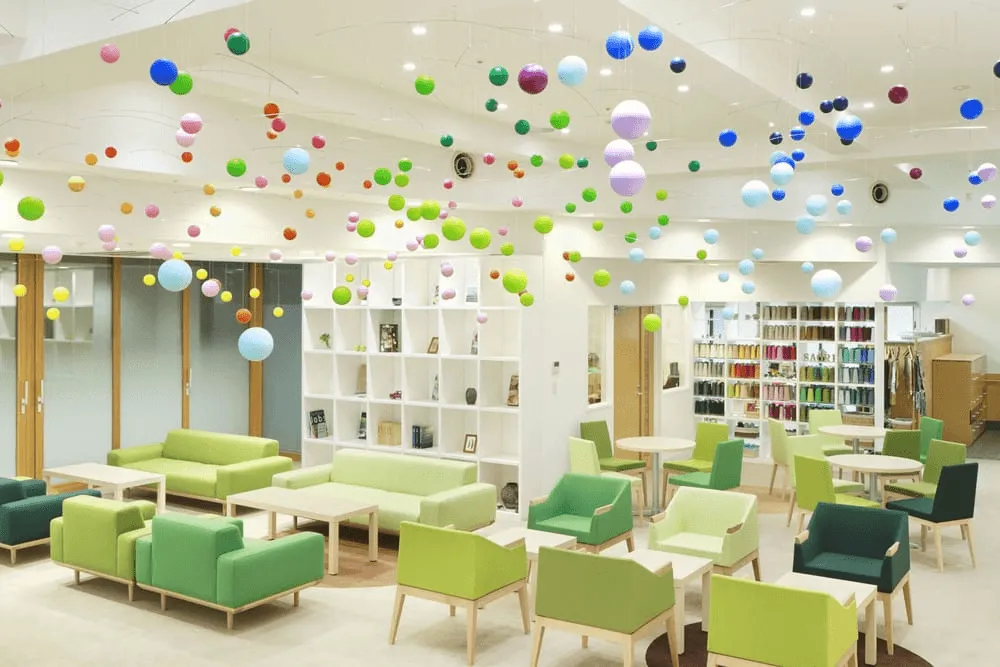
Images via Emmanuelle Moreaux
MUJI
MUJI may be considered the Ikea of Japan, but I disagree. There’s a simple elegance to MUJI products that Ikea can only match in cleverness.
Founded in 1980 with a vision for simplicity, affordability, and quality, MUJI is now one of the most recognizable brands in Japan.
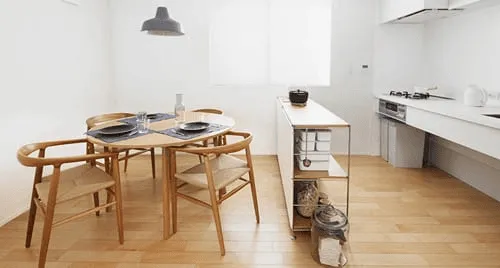
Images via Designboom
Nosigner
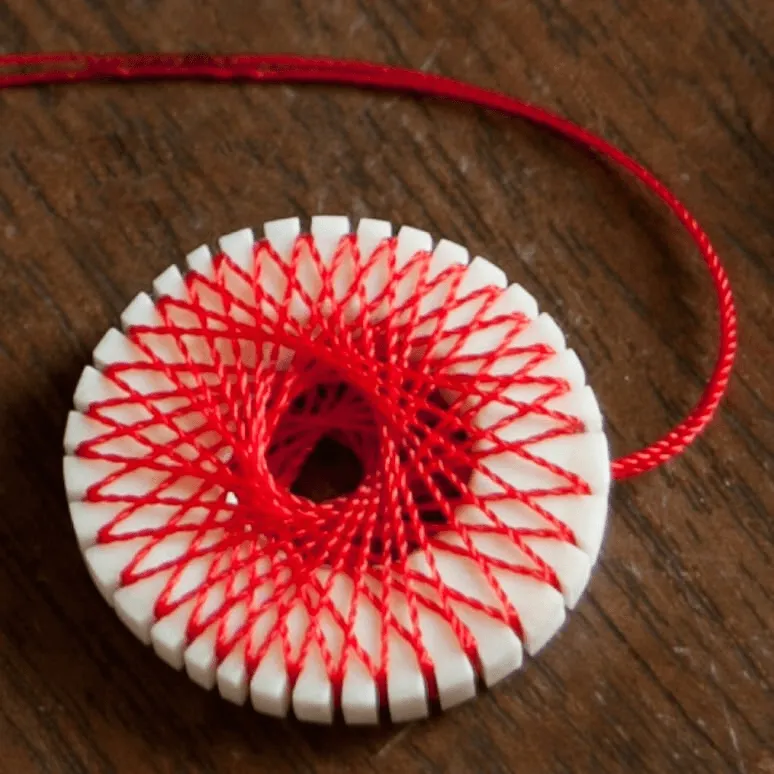
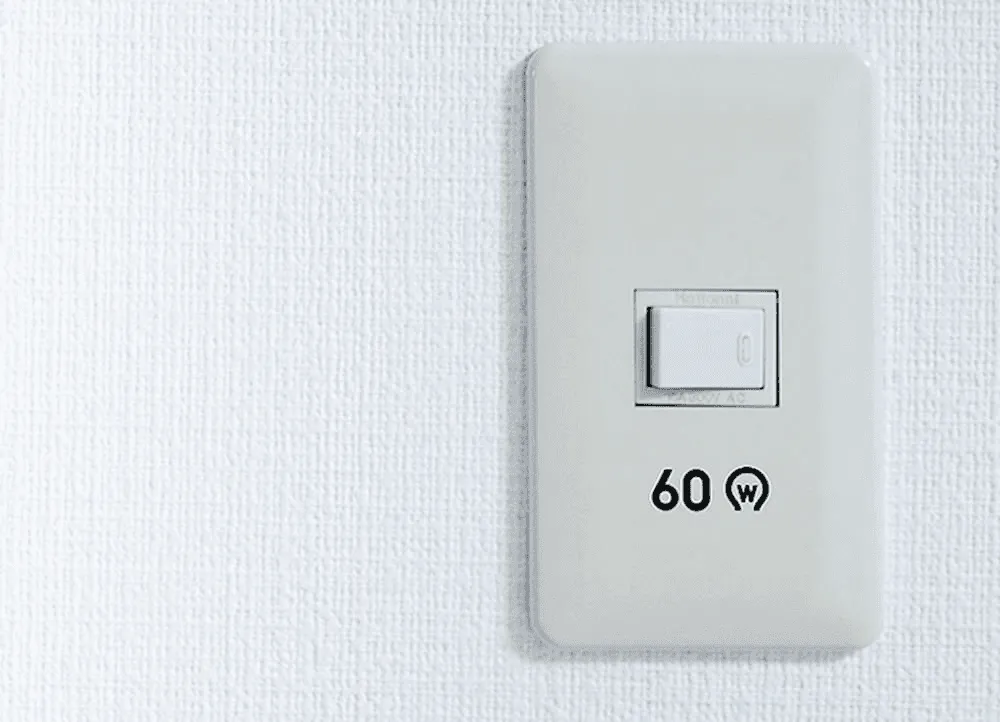
Nosigner’s artful take on the Japanese aesthetic has led to some surprising pieces: a glowing table lamp made from recycled eggshells, and a seemingly ordinary side table that is actually a storage camelion.Images via Nosigner
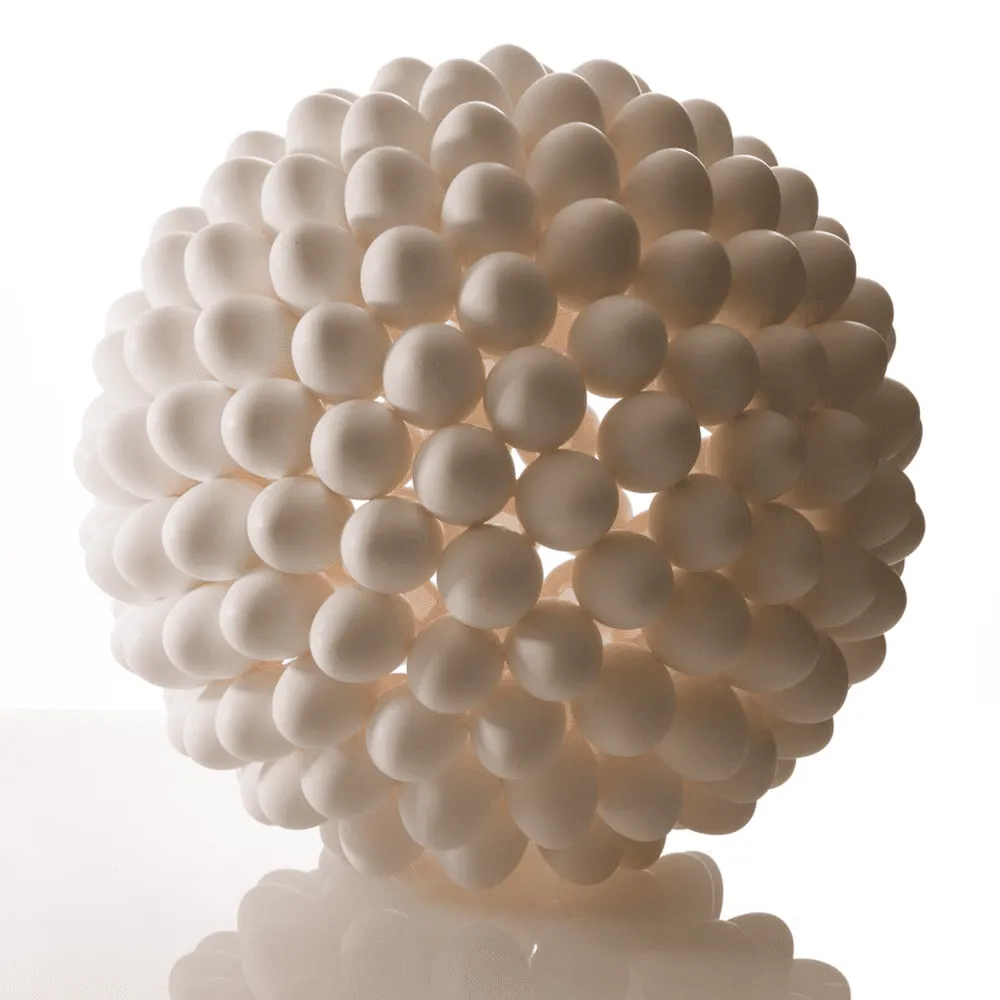
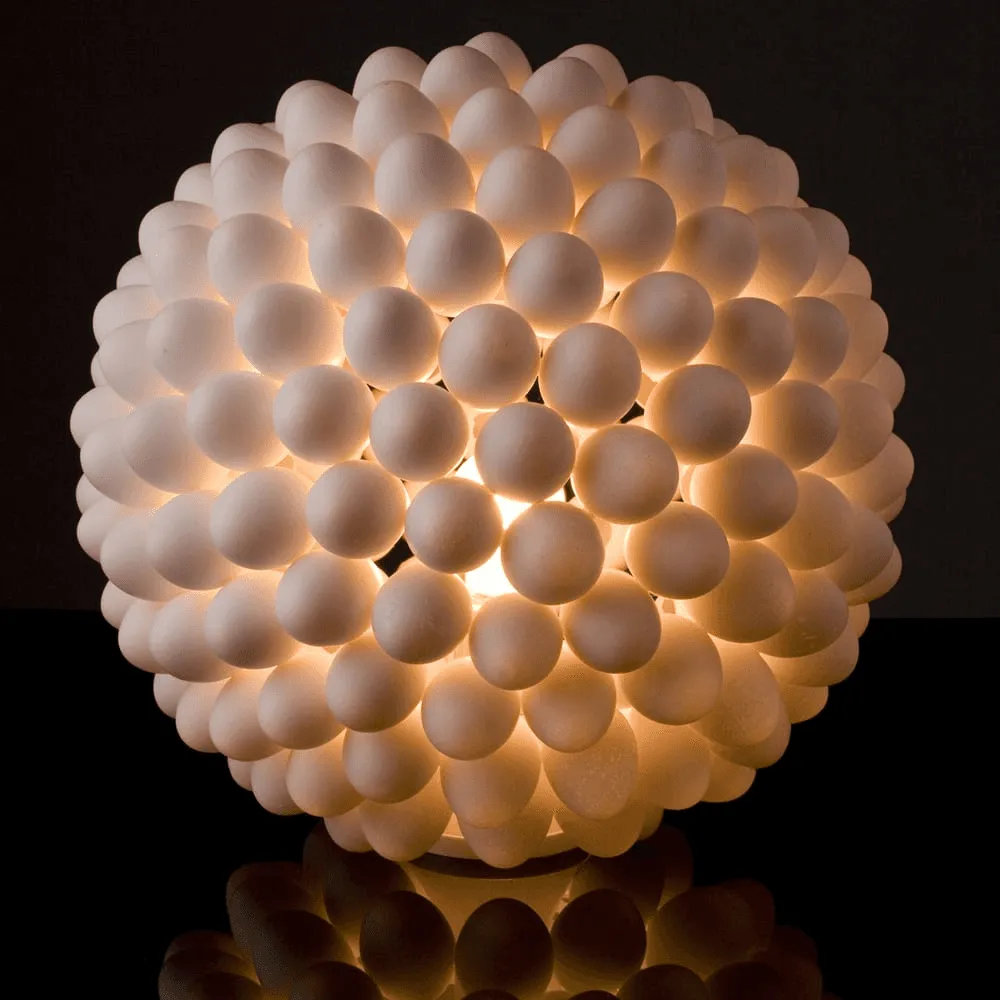
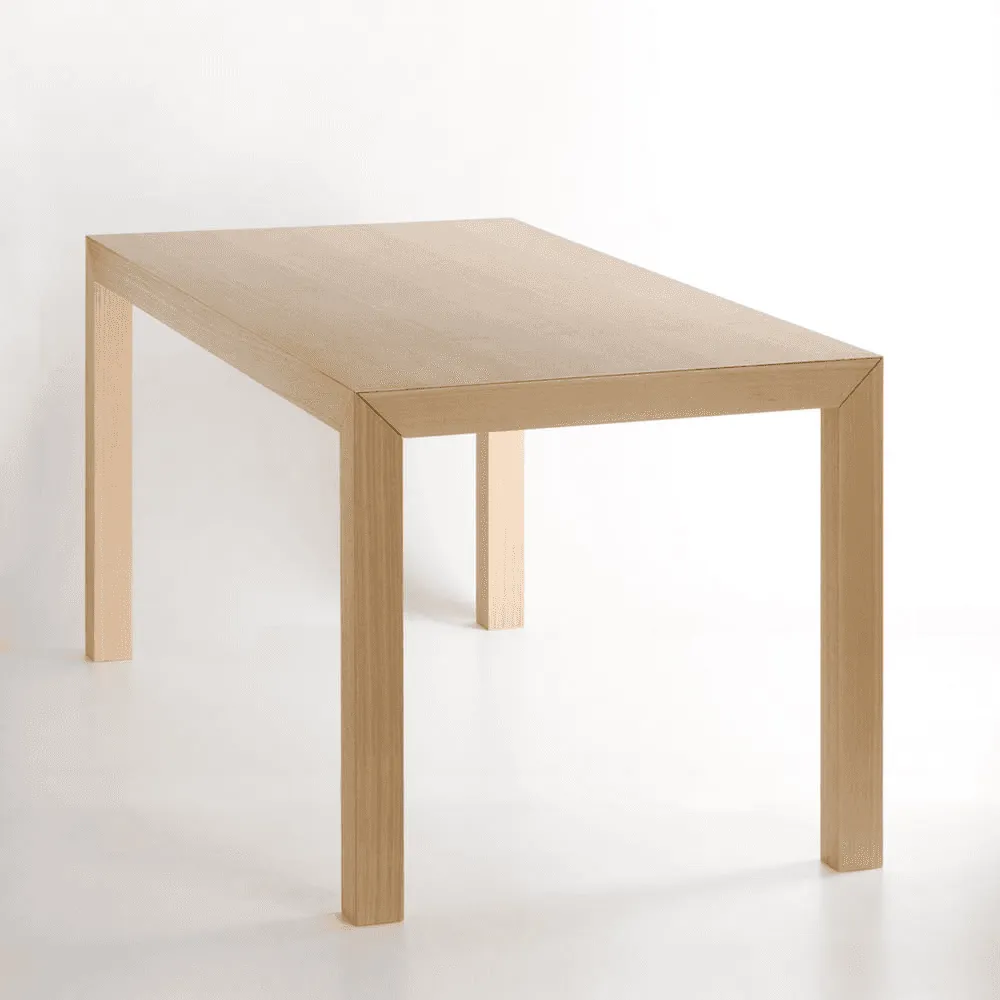
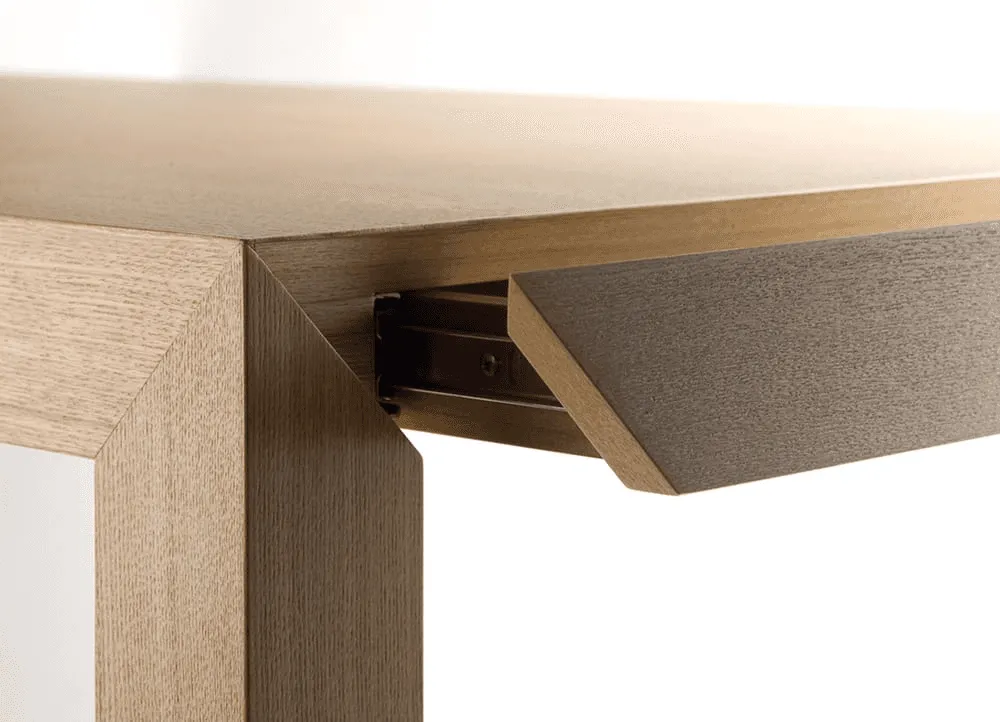
Images via Nosigner
Kumiko Interior Wood Panels by Tanihata Company Inc.
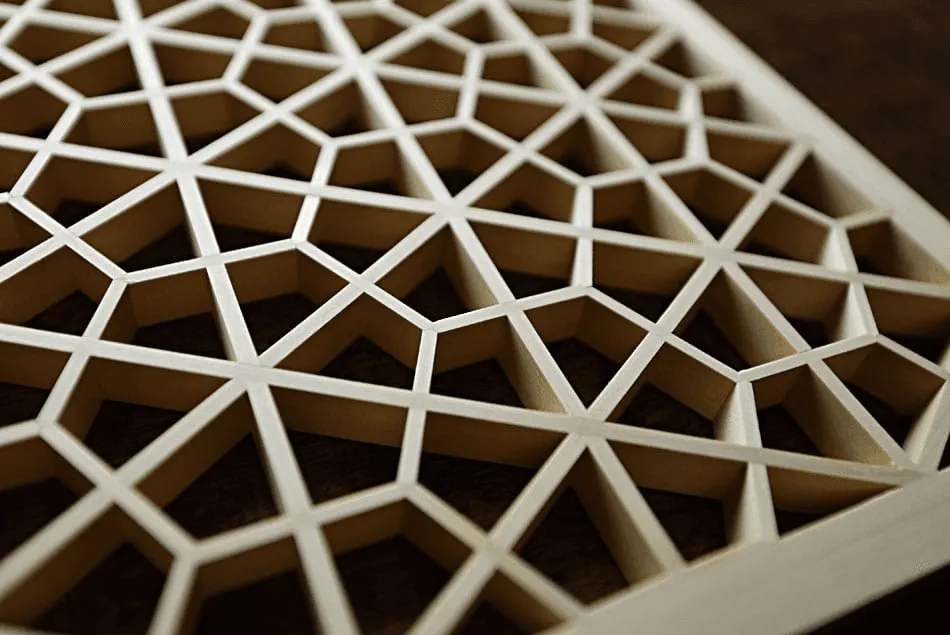
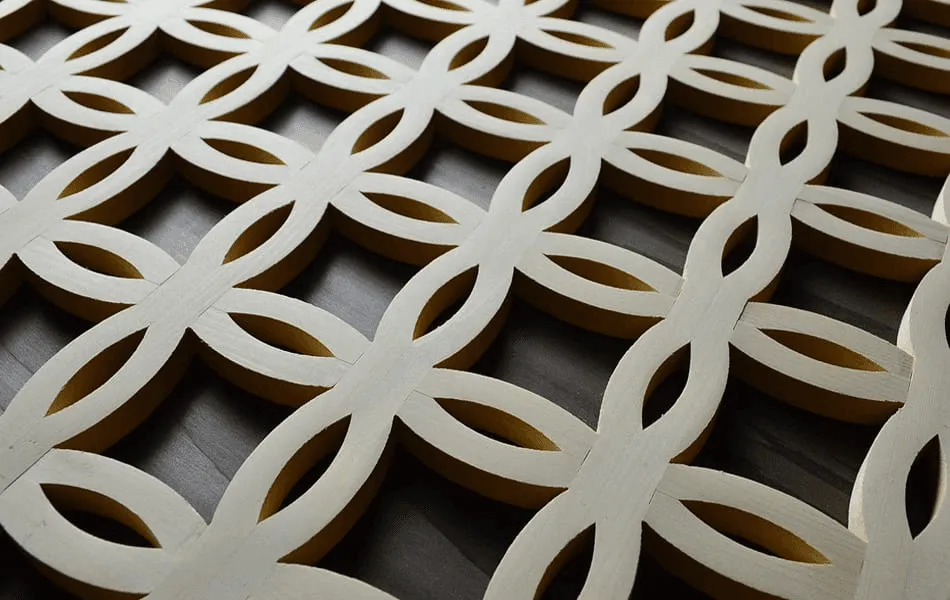
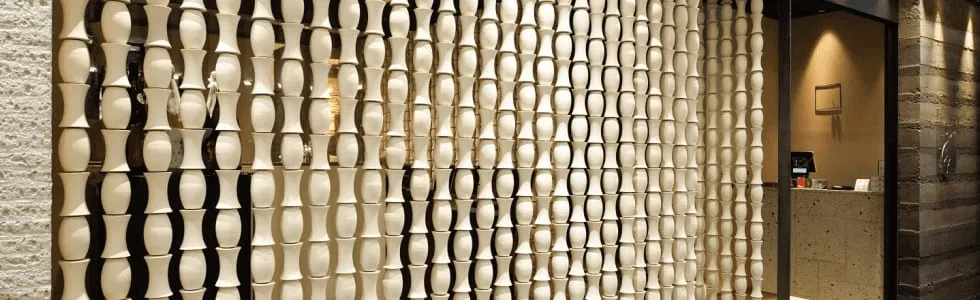
Shoji screens are one of the oldest and most iconic pieces of Japanese design. Tanihata Company Inc. has been manufacturing their intricate wood screens since 1959, using the “ Kumiko” woodworking technique started in 600-700 A.D. The process is based on historical craftsmanship, but the patterns available are thoroughly modern, and absolutely gorgeous.
Images via Tanihata
Nagoya Mosaic Tile Company
Tile isn’t something I necessarily think of when discussing Japanese design, but Nagoya Mosaic uses iconic Japanese pieces – kimono fabric, wood shoji panels – as muses and reinterprets them into sophisticated mosaic tile and ceramics.
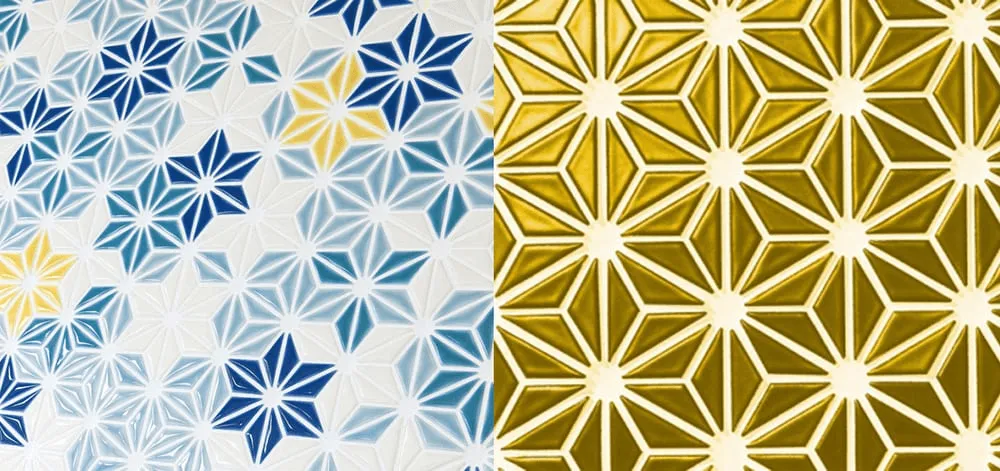
Images via Nagoya
Fog Linen
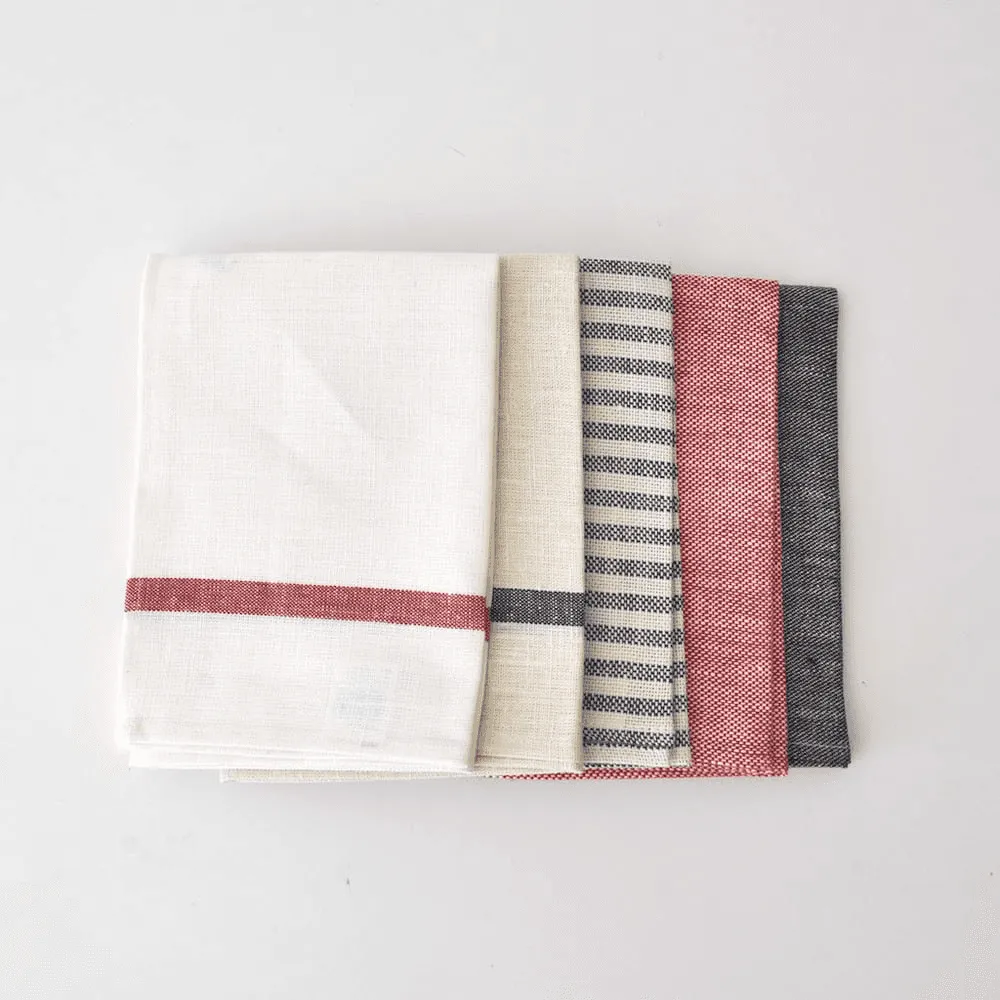
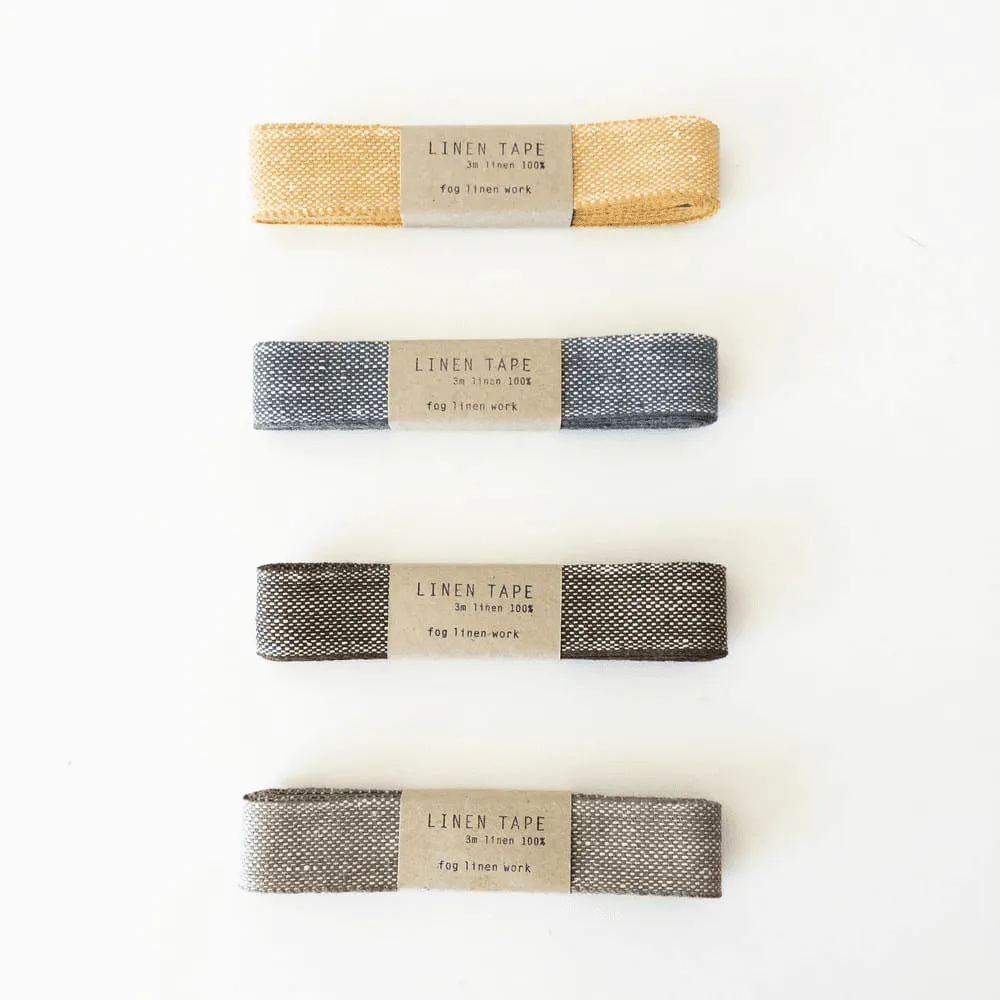
Though a linens company may seem an odd choice for inclusion in this list, I have yet to find another company that speaks to me as so very Japanese as does Fog Linen. Their catalog consists of high-quality fabrics in simple, almost homemade forms, presented so very beautifully and lovingly, it’s as if they were designed merely to be arranged, draped, and photographed just so.
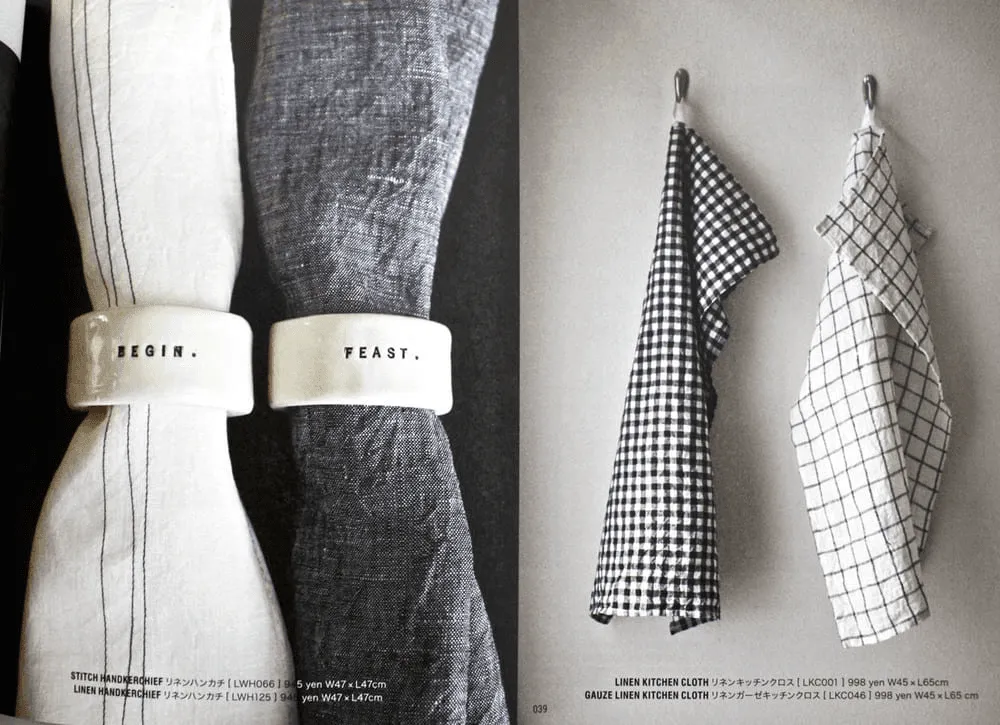
Image via Rae Dunn
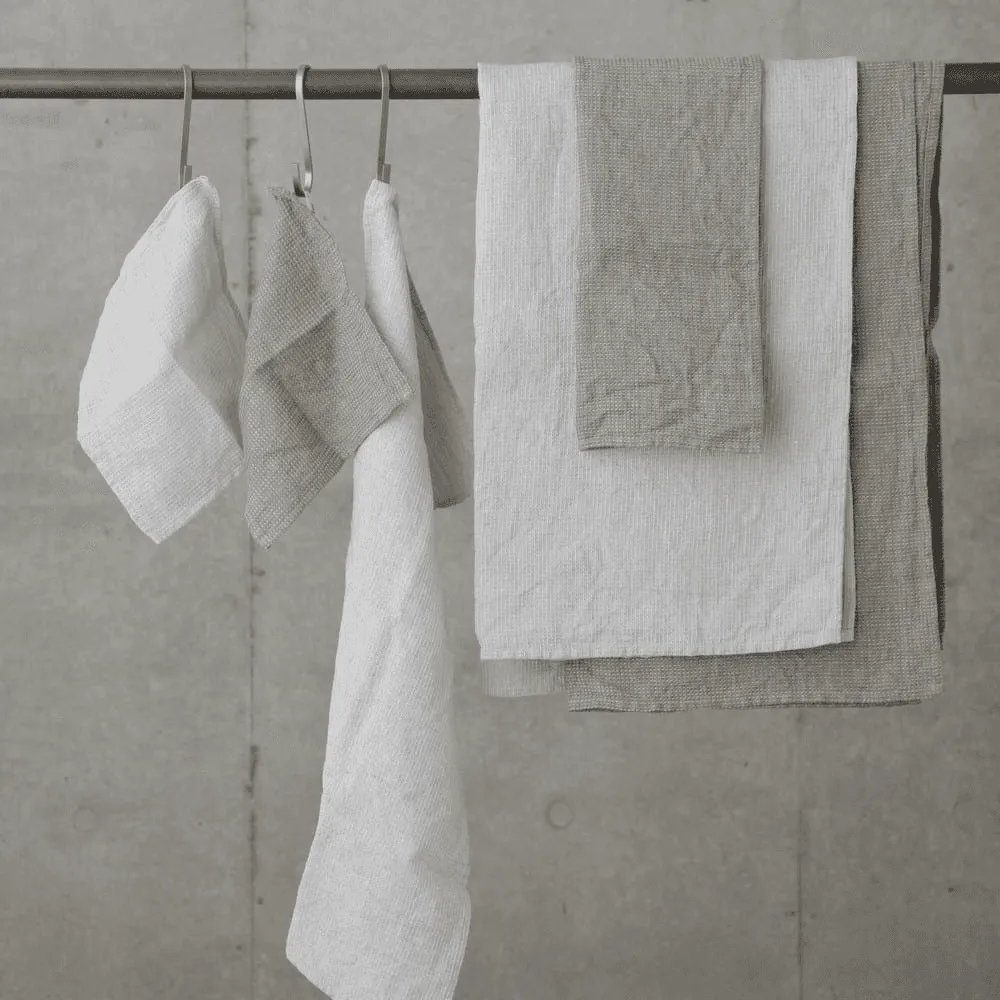
Image via Fog Linen
Images via Tina Frey Designs
Wall Stitch Project
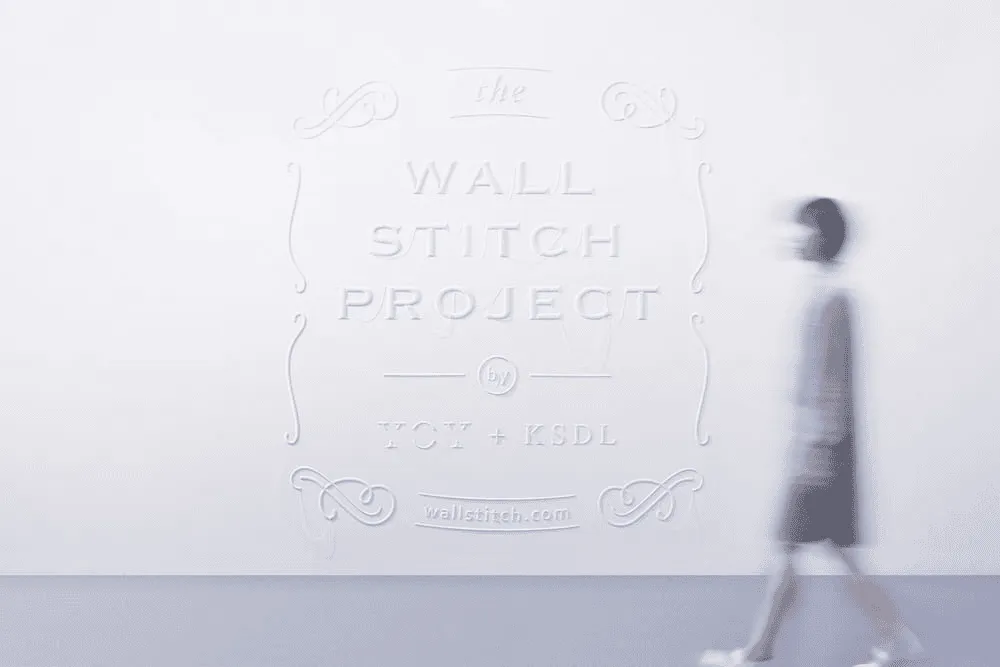
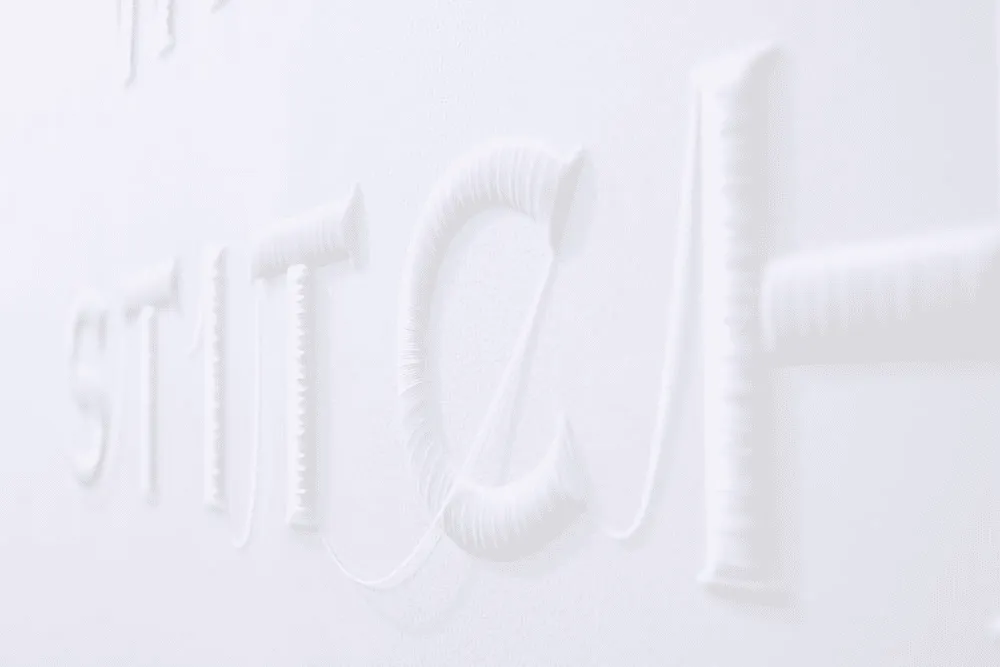
An intriguing graphics project, the Wall Stitch Project moves embroidery from your grandmother’s favorite fabric onto the wall. Using hi-resolution 3D printing to “sew” letters, YOY and RSDL are seeking to create letterpress for your vertical surfaces. It’s a lovely version of a vintage classic cast in a modern light – perfect for a culture with a reverence for history and a modern design present.

Images via YOY

Image via KNSTRCT
Studio Yumakano
We finish with a very small but very joyful little screw designed by Studio Yumakano. Yes, it may get lost in a sea of regular, decidedly uncheerful fasteners, but when you find that one cheeky face, your day can’t help but get brighter.



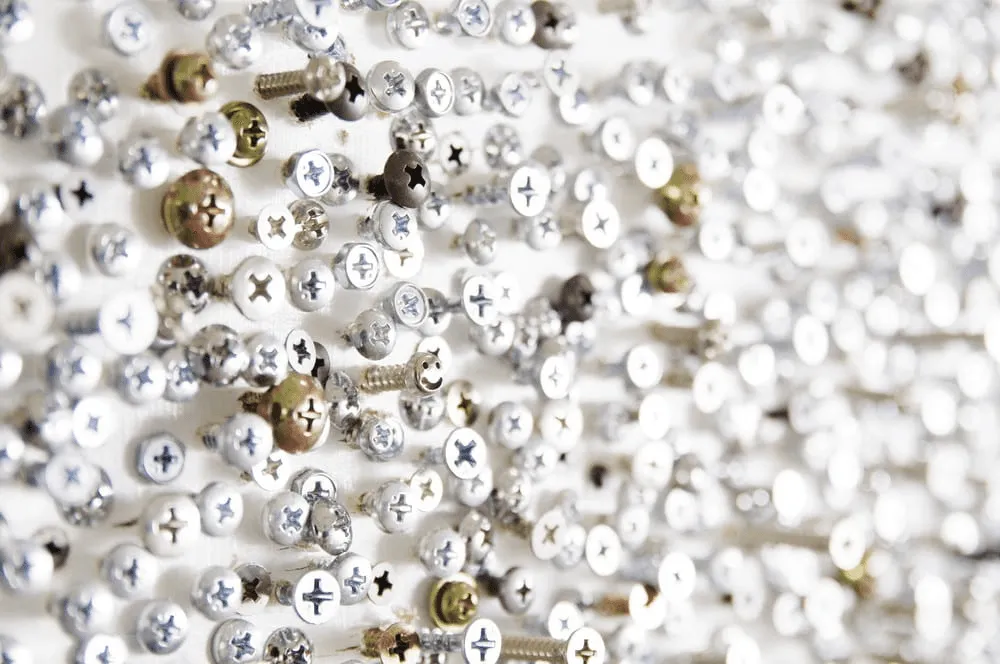
Images via Studio Yumakano
We love hearing stories of places that have left a mark on travellers’ design souls. Let us know your favorite city, country, or region you’ve visited, and we may feature it in a future profile!